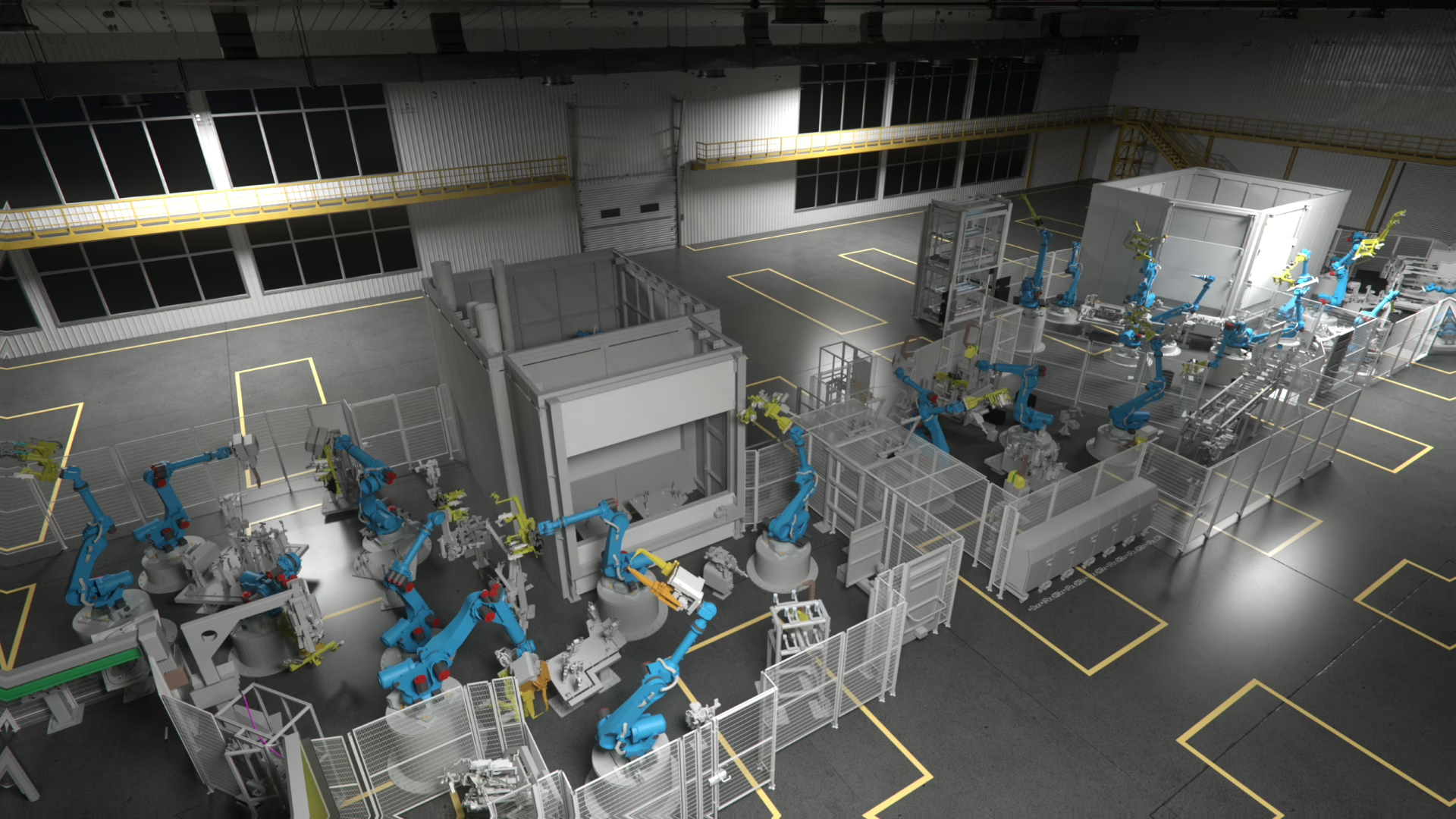
Virtual commissioning (VC) is the simulation-based validation of automation systems before they are deployed in the real environment. It allows testing of PLC logic, robot programs, and system behavior using a digital twin of the production system.
Digital Twin Environment
What this means in practice:
Faster Commissioning
Validate automation logic before deployment and reduce time on-site significantly.
Early Error Detection
Identify logic issues, collisions, and interlocks long before real hardware is involved.
Iterate Without Risk
Test changes instantly without impacting production systems or schedules.
Reduced Downtime
Minimize unexpected issues during ramp-up and ensure a smoother start of production.
Toolchain
From the real plant to a validated virtual workflow.
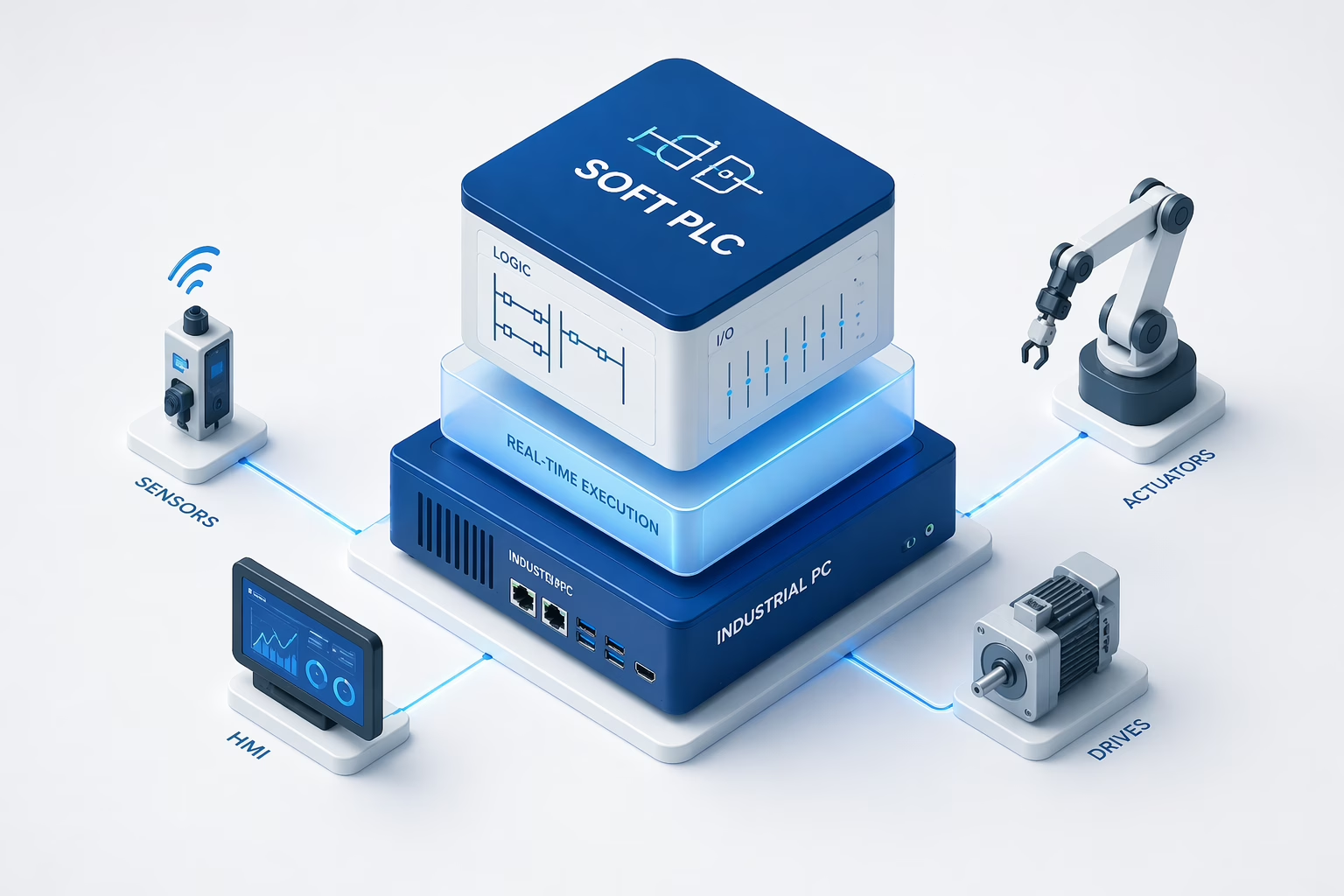
This section shows how real controls and a soft PLC connect with a virtual production
environment and how RF::SUITE tools support robot control, electrical behavior, and
mechanical validation.
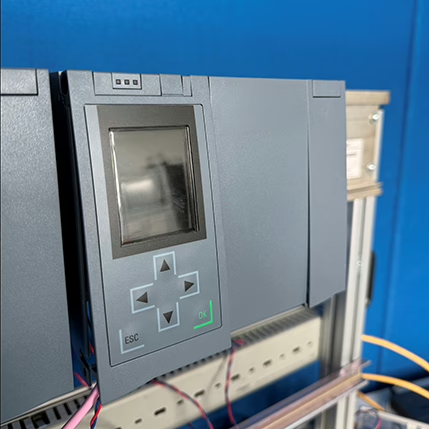
Real PLC
Soft PLC
Video
See the virtual model
before the real startup.
Virtual Commissioning Showcase
Why Virtual
Commissioning?
Virtual commissioning creates transparency early on, reduces risks, and makes real production startup more predictable, efficient, and independent of the physical system.
Detect errors early
Minimize risks
Shorten real commissioning
Test functions earlier
Virtual Commissioning IMpact
More predictable
Coordination between client and contractor becomes more structured and happens earlier.
Higher quality
The quality of software, processes, and commissioning increases through early validation.
More Efficient
Time, cost, and resources are reduced because issues become visible before physical startup.
Safer
Faults, exception cases, and critical test scenarios can be validated without production risk.
Use Cases
Where Virtual Commissioning creates the most value.
Virtual Commissioning is especially effective in projects where multiple systems,
interfaces, and commissioning dependencies create high risk during startup.
Robotic production cells
Validate robot interaction, handshakes, sequences, and exception handling before real hardware is fully available.
Assembly and manufacturing lines
Simulate complete line behavior, timing, and communication across stations to reduce risk during ramp-up.
Special machinery
Test individual machine logic, sequences, and edge cases early when unique engineering solutions are involved.
Brownfield upgrades
Check changes in logic and interfaces before touching existing production systems with limited downtime windows.
Start Your Project
Bring virtual commissioning into your real project workflow.
Discuss your use case, validate your automation logic earlier, and reduce surprises before physical startup begins.
We use cookies and other tracking technologies to improve your browsing experience on our website, to show you personalized content and targeted ads, to analyze our website traffic, and to understand where our visitors are coming from.
Functional
Always active
These cookies are used to provide you with a more personalized experience on our website and to remember choices you make when you use our website.
Preferences
The technical storage or access is necessary for the legitimate purpose of storing preferences that are not requested by the subscriber or user.
Statistics
These cookies are used to show advertising that is likely to be of interest to you based on your browsing habits.The technical storage or access that is used exclusively for anonymous statistical purposes. Without a subpoena, voluntary compliance on the part of your Internet Service Provider, or additional records from a third party, information stored or retrieved for this purpose alone cannot usually be used to identify you.
Marketing
The technical storage or access is required to create user profiles to send advertising, or to track the user on a website or across several websites for similar marketing purposes.